Understanding the Role of Expositores in Modern Exhibitions
In today's competitive market, the role of expositores—or exhibitors—has evolved significantly. They are essential players in exhibitions and trade shows, providing businesses with the unique opportunity to showcase their products and services directly to potential customers. As exhibitions become increasingly interactive and engaging, understanding the significance and impact of expositores is crucial for any brand looking to stand out in 2026.
When exploring options, Expositores provides comprehensive insights that can guide your participation strategy, ensuring that your presence at events can yield maximum visibility and return on investment (ROI).
Definition and Importance of Expositores
Expositores are individuals or entities that participate in exhibitions or trade shows, presenting their goods or services to a targeted audience. Their importance cannot be overstated; they serve as the critical link between brands and potential clients. By showcasing products in a dynamic environment, expositores create opportunities for direct engagement, enabling real-time feedback and fostering relationships.
Moreover, expositores bring their expertise to the table, often providing insights into industry trends and consumer behavior, which can inform business strategies. As we move towards 2026, the landscape of exhibitions will demand more from expositores, including innovative approaches to capture attention and sustain interest.
Benefits for Businesses and Attendees
The benefits of exhibiting at trade shows are numerous. For businesses, engaging as an expositor offers:
- Brand Visibility: Exhibiting allows brands to enhance their visibility and recognition in crowded markets.
- Lead Generation: Direct interaction with attendees often leads to high-quality leads that can be converted into sales.
- Market Research: Expositores can gather invaluable data through attendee interactions, aiding in future product developments.
Attendees, on the other hand, gain access to a plethora of products and services all in one location, along with opportunities to connect directly with brand representatives, making exhibitions a valuable resource for both parties.
Common Misconceptions About Exhibitor Participation
Despite the clear advantages, there are several misconceptions about the role and effectiveness of expositores in exhibitions. One common myth is that simply having a booth guarantees success. In reality, effective engagement strategies are essential. Additionally, some believe that participation is only valuable for large corporations, while smaller businesses can similarly benefit by leveraging unique offerings and personalized interactions to capture interest.
Key Features of Successful Expositores in 2026
Effective Booth Designs and Layouts
In 2026, the design of exhibition booths will play a pivotal role in attracting attendees. Successful expositores will utilize creative layouts that encourage exploration and interaction. This includes:
- Open Spaces: An inviting booth layout with open spaces encourages foot traffic.
- Interactive Displays: Using touchscreens or live demos can captivate attendees and facilitate engagement.
- Brand Storytelling: Visual storytelling through graphics and multimedia will enhance visitor experience and leave lasting impressions.
Innovative Technology Integrations for Engagement
Technology will continue to transform the exhibition experience. Expositores who embrace innovation will have a distinct advantage. This includes:
- Augmented and Virtual Reality: Utilizing AR and VR can create immersive experiences that engage attendees in unique ways.
- Data Analytics: Employing data analytics tools to track visitor interactions will help tailor follow-up strategies for leads generated.
- Mobile Apps: Implementing event-specific apps can enhance attendee navigation and engagement at the exhibition.
Eco-Friendly Practices in Exhibition Participation
With growing environmental concerns, expositores in 2026 will increasingly adopt sustainable practices. These may include:
- Reusable Booth Materials: Investing in sustainable materials that can be reused across events reduces waste.
- Digital Marketing Materials: Transitioning to digital solutions for brochures and promotional materials helps minimize paper usage.
- Green Logistics: Considering the carbon footprint in logistics and transportation choices will be essential for eco-conscious brands.
Strategies for Maximizing Visibility as an Expositor
Pre-Event Marketing and Promotion Techniques
To maximize visibility, expositores should start their marketing efforts well before the event. Strategies include:
- Email Marketing: Reach out to your existing contacts and invite them to visit your booth.
- Social Media Campaigns: Utilize social platforms to create buzz about your participation.
- Partnerships with Influencers: Collaborate with industry influencers to broaden your reach and credibility.
Leveraging Social Media During Events
During the exhibition, social media can serve as a powerful tool for engagement. Key strategies include:
- Live Updates: Posting live updates about booth activities can attract attendees.
- Interactive Hashtags: Create unique hashtags for the event to facilitate online conversations.
- Behind-the-Scenes Content: Sharing behind-the-scenes footage can humanize your brand and create interest.
Post-Event Follow-Up to Maintain Connections
After the event, maintaining connections with leads is crucial for success. Effective follow-up strategies include:
- Personalized Emails: Sending thank-you emails with customized offers based on attendee interests can enhance engagement.
- Surveys for Feedback: Gathering feedback from attendees will provide insights into how to improve future participation.
- Newsletters: Keeping leads engaged with regular updates about your brand can lead to ongoing relationships.
Real-World Examples of Successful Expositores
Case Studies from Notable Industry Events
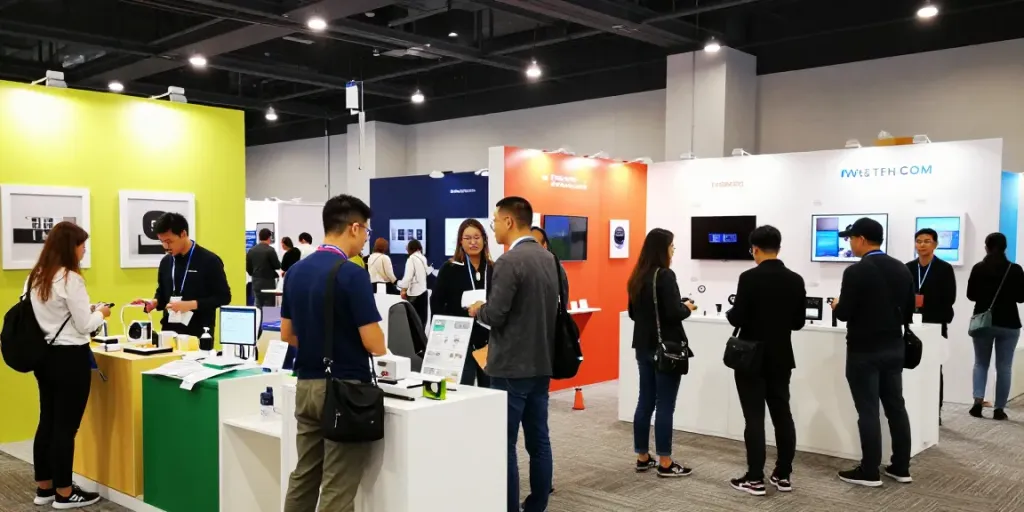
Examining successful expositores provides valuable insights. For example, at the recent Global Tech Expo, a leading software company utilized an interactive booth featuring live demonstrations of their product. This attracted a significant number of visitors and generated numerous leads, showcasing the impact of effective booth design and engagement strategies.
Testimonials and Feedback from Participants
Feedback from attendees provides further evidence of successful strategies. Many noted that booths that offered hands-on experiences or interactive displays were more memorable and encouraged conversation, illustrating the importance of engagement in attracting interest.
Learning from Failed Exhibitor Experiences
Not all attempts result in success. Several expositores have faced challenges, notably those who underestimated the need for proactive engagement. One exhibitor at a popular trade show reported low visitor numbers due to a lack of interactive features and unclear messaging. This highlights the necessity of strategic planning and execution in exhibition participation.
Future Trends for Expositores: What to Expect in 2026 and Beyond
Predicted Developments in Exhibition Technology
As we approach 2026, the convergence of technology and exhibitions will create new opportunities. Expect advancements such as:
- AI-Powered Personalization: Artificial intelligence will help tailor experiences and recommendations for attendees based on their interactions.
- Blockchain for Security: The use of blockchain technology to provide security and transparency in transaction processes will likely become more widespread.
- Remote Viewing Options: Hybrid events offering virtual attendance options will become more commonplace, allowing for greater reach.
Changing Attendee Expectations and Preferences
Attendees in 2026 will have heightened expectations for engagement and personalization. Brands that leverage data to understand attendee preferences will be more successful in creating meaningful experiences.
Emerging Industries and Niche Markets for Exhibitors
As new markets emerge, expositores should focus on niche industries that are gaining momentum. Sectors such as sustainable products, health technology, and digital transformation are expected to flourish, providing ample opportunities for innovative engagement strategies.
Frequently Asked Questions about Expositores
How to Choose the Right Exhibition for Your Brand?
Selecting the right exhibition involves understanding your target audience, assessing the event’s footprint in your industry, and evaluating past attendee demographics. Researching previous exhibitors and their outcomes can provide insight into the event's potential value.
What are Best Practices for Networking at Events?
Effective networking is key during exhibitions. Best practices include approaching conversations with genuine interest, having a clear elevator pitch, and following up promptly with new contacts. Utilizing social media to continue conversations post-event can also strengthen relationships.
How Can Expositores Measure Success After Events?
Measuring success can be accomplished through tracking metrics such as lead conversions, social media engagement, and attendee feedback. Setting specific objectives before the event will facilitate evaluating outcomes accurately.
What Technologies Are Essential for Exhibitors in 2026?
As we move towards 2026, essential technologies for expositores will include advanced data analytics tools, customer relationship management (CRM) software, mobile apps to enhance attendee engagement, and integration of immersive technologies like VR and AR for impactful presentations.
How to Handle Logistics and Setup for Exhibitions?
Managing logistics is critical for a successful exhibition. Best practices include creating a detailed checklist, coordinating with vendors early on, and allowing ample time for booth setup to prevent any last-minute issues. Additionally, having a contingency plan for unforeseen circumstances can help mitigate risks.